
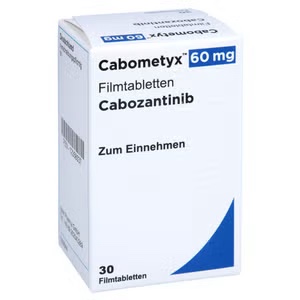
Cabometyx 60 mg contains cabozantinib, a targeted anticancer medication used to treat certain types of cancer. It belongs to a class of medicines called tyrosine kinase inhibitors (TKIs), which work by blocking specific proteins involved in cancer cell growth, the formation of blood vessels, and tumor progression.
Cabozantinib inhibits several receptor tyrosine kinases, including MET, VEGFR, and AXL. These proteins can contribute to cancer cell survival, the development of blood vessels that supply tumors, and the spread of cancer. By interfering with these signaling pathways, the medicine can help slow cancer growth and progression in eligible patients.
Cabometyx is used to treat certain cases of advanced renal cell carcinoma (kidney cancer), hepatocellular carcinoma (liver cancer), and differentiated thyroid cancer. The approved indication depends on the cancer type, previous treatments, and other clinical factors. In the United States, it is approved for specific indications, including advanced renal cell carcinoma, hepatocellular carcinoma previously treated with sorafenib, and certain cases of differentiated thyroid cancer that have progressed following prior treatment and are not suitable for radioactive iodine therapy or are radioactive iodine-refractory.
Cabometyx 60 mg is an oral tablet that requires a prescription and careful monitoring by an oncology specialist. Treatment decisions depend on the patient’s diagnosis, overall health, and response to therapy.
How Does Cabometyx 60 mg Tablet Work?
Cabometyx 60 mg is an oral targeted therapy used to treat specific types of cancer. Its active ingredient, cabozantinib, belongs to the tyrosine kinase inhibitor class of medicines. It works by blocking proteins that support cancer cell growth, survival, and the development of new blood vessels.
Cabozantinib inhibits several receptor tyrosine kinases, including MET, VEGFR, and AXL. These proteins play important roles in tumor growth, blood vessel formation, and cancer progression. By interfering with these signaling pathways, Cabometyx can help slow the growth and spread of susceptible tumors.
The medicine may be prescribed for advanced kidney cancer, previously treated liver cancer, certain differentiated thyroid cancers, and specific neuroendocrine tumors. Its use depends on the approved indication, previous treatments, and the patient’s clinical condition.
Because cabozantinib can also affect healthy tissues, treatment may cause side effects such as diarrhea, fatigue, high blood pressure, nausea, and reduced appetite. Regular medical monitoring is necessary to evaluate treatment response and manage potential complications.
Cabometyx is a targeted anticancer medicine, and its dosage and duration must be determined by an oncology specialist.
Dosage of Cabometyx 60 mg :
Cabometyx 60 mg is a prescription medication taken by mouth for certain cancer indications. The appropriate dosage depends on the cancer type, whether the medicine is used alone or with another treatment, the patient’s overall health, and the presence of side effects.
For adults receiving Cabometyx alone for advanced renal cell carcinoma or hepatocellular carcinoma, the recommended dose is generally 60 mg once daily. The same dose is used for certain differentiated thyroid cancers and neuroendocrine tumors in eligible patients. However, when Cabometyx is combined with nivolumab for advanced renal cell carcinoma, the recommended adult dose is generally 40 mg once daily rather than 60 mg.
The tablet should be swallowed whole with water on an empty stomach, at least one hour before or at least two hours after eating. Do not crush or chew the tablet.
The oncologist may reduce the dose, temporarily interrupt treatment, or discontinue the medicine if serious or persistent side effects occur. Patients should not change their dosage without medical advice. Treatment generally continues until the cancer progresses or side effects become unacceptable, according to the prescribed treatment plan.
Benefits of Using Cabometyx 60 mg :
Cabometyx 60 mg is a targeted cancer treatment that interferes with signaling pathways involved in tumor growth and blood vessel formation. Its potential benefits depend on the cancer diagnosis, disease stage, previous treatment, and individual response.
– Treatment for advanced kidney cancer: Cabometyx can be used alone or in combination with nivolumab for eligible patients with advanced renal cell carcinoma.
– Treatment for liver cancer: It is an approved option for patients with hepatocellular carcinoma who have previously received sorafenib.
– Treatment for differentiated thyroid cancer: It may be prescribed for eligible patients whose locally advanced or metastatic cancer has progressed after prior VEGFR-targeted treatment and is unsuitable for radioactive iodine therapy.
– Treatment for certain neuroendocrine tumors: Cabometyx is also approved for specific previously treated, unresectable, locally advanced, or metastatic well-differentiated pancreatic and extra-pancreatic neuroendocrine tumors.
– Inhibition of cancer-related signaling: By blocking proteins such as MET, VEGFR, and AXL, cabozantinib can interfere with processes that support tumor development and progression.
– Oral administration: The tablet form allows patients to take their prescribed treatment by mouth, with appropriate medical supervision and follow-up.
Cabometyx may help control disease in eligible patients, but treatment outcomes vary. The prescribing specialist determines whether its potential benefits outweigh the risks for each patient.
Side Effects of Cabometyx 60 mg :
Cabometyx may cause side effects ranging from mild symptoms to serious medical complications. The type and severity of these effects vary depending on the individual, dosage, and treatment regimen.
Commonly reported side effects include:
- Diarrhea, nausea, and vomiting
- Fatigue, weakness, and reduced appetite
- Weight loss
- High blood pressure
- Constipation and abdominal discomfort
- Redness, tenderness, swelling, or peeling of the palms and soles
- Mouth sores or inflammation
- Changes in liver function
Cabometyx can also cause serious adverse reactions, including severe bleeding, blood clots, gastrointestinal perforation, abnormal connections between organs, liver toxicity, and impaired wound healing. Rarely, it may cause serious neurological complications or heart-related problems.
Contact a healthcare professional promptly if you experience severe abdominal pain, unusual bleeding, chest pain, sudden shortness of breath, severe headaches, or significant changes in vision or consciousness. Persistent diarrhea, dehydration, or signs of liver problems also require medical assessment.
Blood pressure, liver function, thyroid function, and other relevant health parameters may need regular monitoring during treatment. Inform your doctor about all medications and supplements you take, and tell your healthcare team about any planned surgery or dental procedure.
Conclusion :
Cabometyx 60 mg (cabozantinib) is a prescription targeted therapy used to treat certain advanced cancers, including kidney cancer, previously treated liver cancer, differentiated thyroid cancer, and specific neuroendocrine tumors. Dosage and treatment duration depend on the indication and individual response. Specialist supervision and regular monitoring are essential.
Important Medical Warning :
Use Cabometyx 60 mg strictly as prescribed by your doctor. Do not start treatment, change the dose, or discontinue the medication without consulting your oncology specialist. Inform your healthcare professional about existing medical conditions, other medications, and planned surgical procedures. Seek prompt medical attention for serious or unusual symptoms. This medicine requires appropriate medical supervision throughout treatment.

Reviews
There are no reviews yet.