
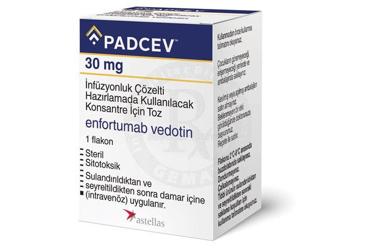
Padcev 30mg (enfortumab vedotin-ejfv) is a prescription anticancer medicine used to treat certain types of urothelial cancer, including cancers of the bladder and urinary tract. It belongs to a class of targeted therapies known as antibody-drug conjugates. This medicine combines a monoclonal antibody with a cell-killing agent to deliver treatment to cancer cells expressing a protein called Nectin-4.
Nectin-4 is present on the surface of many urothelial cancer cells. Enfortumab vedotin binds to this protein and helps deliver its attached cytotoxic agent into the cells. The released agent interferes with microtubules, structures necessary for cell division, which can lead to cancer cell death.
Padcev is used alone or in combination with pembrolizumab, an immunotherapy medicine, depending on the cancer type, disease stage, and previous treatment. Its approved uses include certain cases of locally advanced or metastatic urothelial cancer and muscle-invasive bladder cancer. Treatment eligibility depends on the applicable indication and the treating oncologist’s assessment.
How Does Padcev 30mg Work?
Padcev 30mg contains enfortumab vedotin-ejfv, a targeted anticancer medicine administered through intravenous infusion. It is designed to recognize Nectin-4, a protein commonly expressed on urothelial cancer cells. This targeted approach helps deliver a cytotoxic substance to cancer cells.
After binding to Nectin-4, the medicine enters the cancer cell and releases monomethyl auristatin E (MMAE), its cell-killing component. MMAE disrupts microtubule function, preventing normal cell division and potentially causing cancer cells to die.
Padcev may be prescribed alone or alongside pembrolizumab, depending on the approved indication and the patient’s treatment history. Pembrolizumab works by helping the immune system recognize and attack cancer cells through a different mechanism.
Although Padcev is designed to target cancer cells, it can also affect healthy tissues and cause adverse reactions. Treatment requires careful monitoring for skin reactions, high blood sugar, peripheral neuropathy, and other potentially serious complications.
Dosage of Padcev 30mg :
Padcev 30mg is supplied as a lyophilized powder in a single-dose vial for reconstitution. It is intended exclusively for intravenous infusion and must be prepared and administered by qualified healthcare professionals in an appropriate medical setting.
The recommended dosage for locally advanced or metastatic urothelial cancer depends on whether Padcev is used alone or in combination with pembrolizumab. Under the current US prescribing information, the recommended dose for these indications is generally 1.25 mg/kg, up to a maximum of 125 mg per dose.
- With pembrolizumab: Padcev is generally administered on Days 1 and 8 of a 21-day treatment cycle.
- As a single agent: Padcev is generally administered on Days 1, 8, and 15 of a 28-day treatment cycle.
The dosing schedule for muscle-invasive bladder cancer may differ according to the treatment regimen and whether surgery is planned. Treatment continues according to the applicable prescribing information until disease progression or unacceptable toxicity, as determined by the oncologist.
The 30mg vial strength does not represent the complete dose for every patient. The actual amount depends on body weight, the prescribed regimen, treatment tolerance, and individual medical circumstances. Dose interruptions or reductions may be necessary if significant adverse reactions occur.
Benefits of Using Padcev 30mg :
Padcev 30mg is a targeted anticancer treatment that may provide important therapeutic benefits for eligible adults with certain forms of urothelial cancer.
– Targeted treatment approach: Enfortumab vedotin recognizes Nectin-4 and delivers a cytotoxic agent into susceptible cancer cells.
– Treatment for advanced cancer: Padcev may be used for eligible patients with locally advanced or metastatic urothelial cancer, depending on previous treatments and other clinical factors.
– Combination therapy option: When prescribed with pembrolizumab, Padcev uses a different mechanism from immunotherapy, offering a combined treatment approach for appropriate patients.
– Use in muscle-invasive bladder cancer: In combination with pembrolizumab, Padcev may be used as part of a treatment plan before and after bladder removal surgery for eligible adults.
– Potential to control cancer progression: Treatment may shrink tumors, slow disease progression, or improve disease control in some patients, although individual responses vary.
– Specialist-directed treatment: The treatment schedule can be adjusted by an oncologist according to treatment response, laboratory findings, and adverse reactions.
The potential benefits depend on the cancer’s stage, the patient’s overall health, previous therapies, and the suitability of the prescribed regimen. Padcev is not appropriate for every patient with bladder or urinary tract cancer.
Side Effects of Padcev 30mg :
Padcev may cause mild, moderate, or serious side effects. The type and severity of adverse reactions depend on whether it is used alone or with pembrolizumab, as well as individual patient factors.
Commonly reported side effects include:
- Skin rash, itching, and dry skin
- Fatigue and weakness
- Nausea, diarrhea, and decreased appetite
- Hair loss
- Peripheral neuropathy, including numbness, tingling, or pain in the hands and feet
- Changes in blood glucose levels
- Changes in liver enzyme levels
- Dry eyes or other eye-related symptoms
- Changes in blood cell counts
Serious warnings: Padcev carries a boxed warning for severe and potentially fatal skin reactions, including Stevens-Johnson syndrome and toxic epidermal necrolysis. It may also cause severe hyperglycemia, diabetic ketoacidosis, lung inflammation, peripheral neuropathy, and harm to an unborn baby.
Seek immediate medical attention for a severe or blistering rash, peeling skin, sores affecting the mouth or eyes, difficulty breathing, confusion, or symptoms of dangerously high blood sugar. Report new numbness, tingling, vision changes, or worsening weakness to the treating healthcare team promptly.
Regular monitoring is essential during treatment. Depending on the patient’s condition, the healthcare team may check blood glucose, liver function, blood counts, neurological symptoms, and skin changes.
Conclusion :
Padcev 30mg (enfortumab vedotin-ejfv) is a prescription antibody-drug conjugate used to treat certain forms of urothelial cancer. It may be prescribed alone or with pembrolizumab, depending on the approved indication. The dose, treatment schedule, and duration must be determined by an oncologist, with regular monitoring for adverse reactions.
Important Medical Warning :
Use Padcev 30mg only under the direction of a qualified oncologist. It must be prepared and administered by trained healthcare professionals and must not be self-administered. Follow the prescribed treatment schedule, attend all recommended monitoring appointments, and report new or worsening symptoms promptly. Do not change or discontinue treatment without consulting your healthcare team.
Reviews
There are no reviews yet.